
9 Emotional Changes in Perimenopause That Women Often Mistake for “Just Stress”
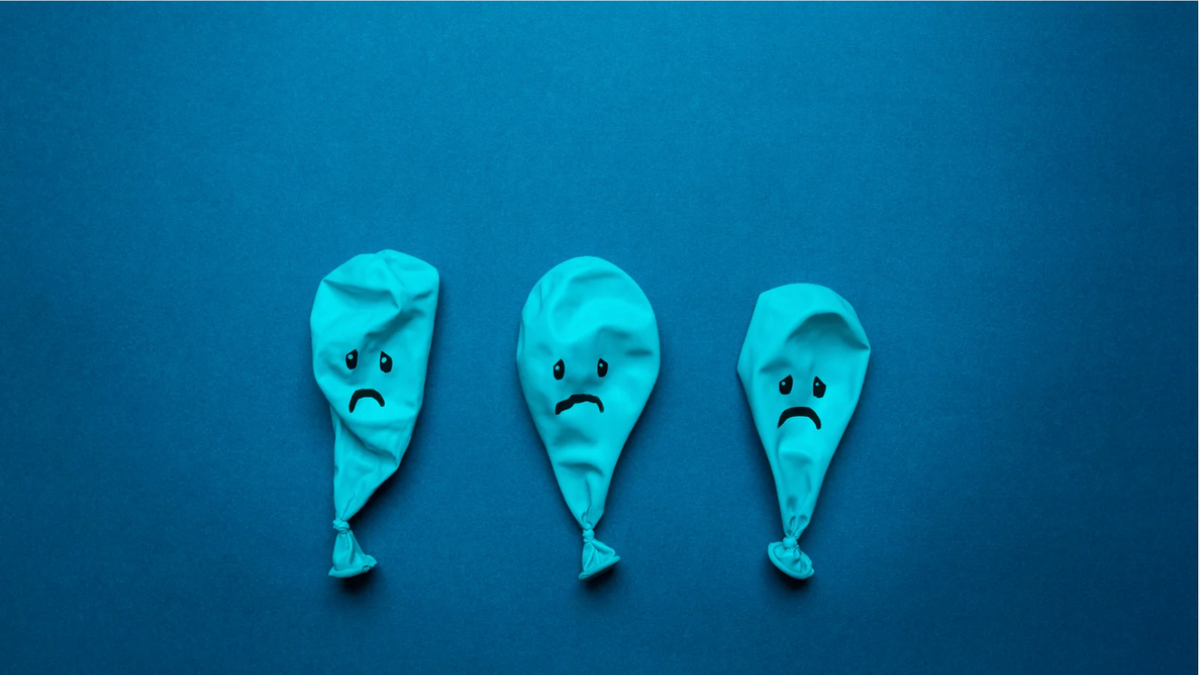
Nothing obvious has changed.
The workload is familiar. The family schedule is still busy, but not unusually so. Yet a routine request suddenly feels intensely irritating. A minor setback brings unexpected tears. Worry lingers longer than it used to. By the end of the week, it is easy to arrive at a familiar explanation: I must just be stressed.
Sometimes stress is exactly what we are experiencing. But during perimenopause, the picture can be more complicated.
The American College of Obstetricians and Gynecologists notes that about 4 in 10 women experience mood symptoms during perimenopause, including irritability, low energy, tearfulness, moodiness, and difficulty concentrating. Unlike classic PMS, these symptoms may not follow a predictable monthly pattern.
Perimenopause does not make every emotional change hormonal. What it can do is add another biological variable to a stage of life already shaped by sleep, relationships, work, caregiving, physical health, and stress.
Understanding that distinction can help us respond with more curiosity and less self-judgment.

Why Can Perimenopause Affect Mood?
Perimenopause is the transition leading toward menopause, during which ovarian hormone production becomes increasingly variable. Estrogen does not simply decline in a smooth line. Levels can fluctuate considerably before eventually settling at lower levels after menopause.
Estrogen receptors are distributed throughout the brain, including areas involved in mood regulation. The Menopause Society notes that mood symptoms may be related partly to large fluctuations in estrogen, although the exact mechanism remains uncertain. Sleep disruption, hot flashes, stressful circumstances, health changes, and lifestyle factors can also influence emotional well-being.
Importantly, researchers increasingly describe perimenopause as a possible window of vulnerability rather than a universal cause of mental health problems. A 2024 systematic review and meta-analysis involving 17 prospective cohort studies found that perimenopausal women had approximately 40% higher odds of depressive symptoms or a depression diagnosis than premenopausal women. The authors also emphasized differences between studies and the need to avoid assuming the same experience for every woman.
Study link: https://pubmed.ncbi.nlm.nih.gov/38642901/
So what might these emotional changes actually feel like in everyday life?
1. Irritability That Feels Stronger Than It Used To
The traffic has always been frustrating. Your coworker has always sent long emails. Your family has always left dishes beside the sink.
What may feel new is the intensity of your response.
Irritability is one of the mood symptoms commonly reported during perimenopause. Hormonal variability may contribute, but poor sleep, vasomotor symptoms, accumulated stress, and existing life pressures can all lower our emotional bandwidth.
This does not mean every moment of frustration is “because of hormones.” A more useful question may be whether the irritability is noticeably different from our previous baseline and whether it appears alongside other perimenopausal changes.

2. A New or Stronger Sense of Anxiety
Some women describe becoming more watchful, worried, or uneasy during midlife, sometimes without being able to identify one clear reason.
Anxiety may appear as persistent worry, anticipation that something will go wrong, physical tension, or occasional feelings of panic. The Menopause Society recognizes anxiety as an important mental health consideration during this transition while also noting that anxiety disorders are common in women across many stages of life.
In other words, perimenopause may be part of the context, but it should not automatically be assumed to be the entire explanation.
3. Low Mood That Is Hard to Explain
A woman may still be functioning normally at work and home while noticing that life feels flatter, heavier, or less enjoyable.
Occasional low mood is not the same as major depression. However, the evidence does suggest increased vulnerability to depressive symptoms during perimenopause, particularly among women with a previous history of depression.
This is one reason persistent sadness deserves attention rather than being dismissed as ordinary midlife stress.

4. Crying More Easily
A commercial, a difficult conversation, or even a small mistake may suddenly bring tears that feel disproportionate to the event.
Tearfulness is specifically included among the mood changes ACOG describes during perimenopause.
Crying itself is not necessarily a warning sign. What matters is the broader pattern. If increased tearfulness occurs with persistent low mood, hopelessness, withdrawal, sleep changes, or loss of interest in normal activities, it becomes more important to discuss those changes with a healthcare professional.
5. Mood That Feels More Unpredictable
One day may feel completely normal. The next may bring irritation, sadness, or emotional sensitivity without an obvious change in circumstances.
This variability is often described as mood swings or volatile mood.
A 2024 study published in Menopause examined the phrase “not feeling like myself” among midlife women. Anxiety and vigilance, volatile mood, low feelings, tearfulness, brain fog, fatigue, and several other symptom groups were associated with this experience.
Study link: https://pubmed.ncbi.nlm.nih.gov/38531011/
The study was observational, so it cannot prove that perimenopause caused these experiences. It does, however, capture something clinically useful: emotional changes can be important enough to alter how women perceive themselves.
6. Feeling Overwhelmed More Quickly
Tasks that once felt manageable may suddenly seem like too many open tabs in the brain.
This experience is easy to label as poor stress management, but stress and perimenopause are not competing explanations.
The Menopause Society notes that stressful life circumstances can influence mood during perimenopause, while symptoms such as hot flashes and sleep disruption can add further strain.
A woman managing work, caregiving, family responsibilities, fragmented sleep, and changing hormones may therefore experience several pressures at once.
7. Lower Emotional Energy and Motivation
Sometimes the change is less dramatic than sadness. We may simply feel less enthusiastic, less motivated, or emotionally depleted.
ACOG includes low energy among the mood-related symptoms women may notice during perimenopause.
Sleep deserves particular attention here. Sleep disturbance becomes increasingly common through the menopause transition, and fragmented sleep can influence mood, energy, concentration, and our ability to handle everyday stress.
This is why emotional symptoms are often best understood as part of an interconnected system rather than as isolated hormone effects.

8. “I Don’t Feel Like Myself Anymore”
This may be one of the hardest changes to describe.
There may be no single dramatic symptom. Instead, our familiar sense of emotional steadiness, confidence, concentration, or resilience feels different.
Researchers have begun studying this exact phrase. In the 2024 Women Living Better analysis, “not feeling like myself” was most strongly associated with anxiety or vigilance, fatigue and pain, brain fog, sexual symptoms, and volatile mood.
That does not make the feeling a diagnosis. But it suggests that when women use this phrase, it may carry meaningful information that deserves exploration rather than dismissal.
9. PMS-Like Emotions That No Longer Follow the Usual Pattern
For years, we may have known exactly when irritability or tearfulness would arrive before a period.
Perimenopause can make that pattern less predictable.
ACOG describes perimenopausal mood symptoms as similar to PMS but notes that they may occur at times unrelated to the menstrual cycle.
For someone accustomed to understanding her emotions through a regular cycle, that unpredictability itself can feel unsettling.
Is It Perimenopause or Is It Stress?
Sometimes, the most accurate answer is: both may be contributing.
Midlife often includes genuine psychological pressures. At the same time, hormonal variability, hot flashes, disrupted sleep, menstrual changes, and other physical symptoms can alter the environment in which we are managing those pressures. The available research does not support reducing perimenopausal mental health to a simple “estrogen causes mood swings” explanation.
Other conditions can also overlap with these symptoms, including thyroid disorders, anemia, medication effects, sleep disorders, depression, and anxiety disorders.
Tracking mood alongside menstrual changes, sleep, hot flashes, major stressors, and physical symptoms can make patterns easier to recognize and discuss with a healthcare professional.
When Emotional Changes Deserve More Attention
Perimenopause may explain part of what we are experiencing, but it should never be used to minimize serious emotional distress.
The Menopause Society recommends professional evaluation when symptoms such as hopelessness, difficulty concentrating, loss of interest, and sleep disturbance occur most of the day, nearly every day, for at least two weeks, as these may indicate major depression.
We should also seek support when anxiety becomes difficult to control, emotional changes interfere with work or relationships, panic symptoms develop, or we feel unsafe or have thoughts of self-harm.

A More Useful Way to Understand Midlife Mood
Perimenopause does not turn us into different people overnight.
What it can do is change some of the biological conditions in which our brains and bodies respond to sleep loss, stress, relationships, physical symptoms, and everyday demands.
That distinction matters.
Instead of assuming that every emotional shift is “just stress,” we can become more attentive to patterns. And instead of blaming every difficult feeling on hormones, we can remain open to the full picture.
For many of us, understanding that complexity is the first step toward feeling more informed, more supported, and more connected to what our bodies are communicating during midlife.
Read more

It can start with something small: a misplaced key, a short reply, a meeting that runs long. Suddenly your reaction feels bigger than the moment itself. The tears come faster. The irritation feels ...

What if the first sign of perimenopause is not a hot flash, but losing your train of thought in a meeting? What if you start waking at 3 a.m., notice your waist changing despite familiar habits, or...
Leave a comment
All comments are moderated before being published.
This site is protected by hCaptcha and the hCaptcha Privacy Policy and Terms of Service apply.