
Perimenopause Mood Swings: When Your Emotions Feel Bigger Than the Moment
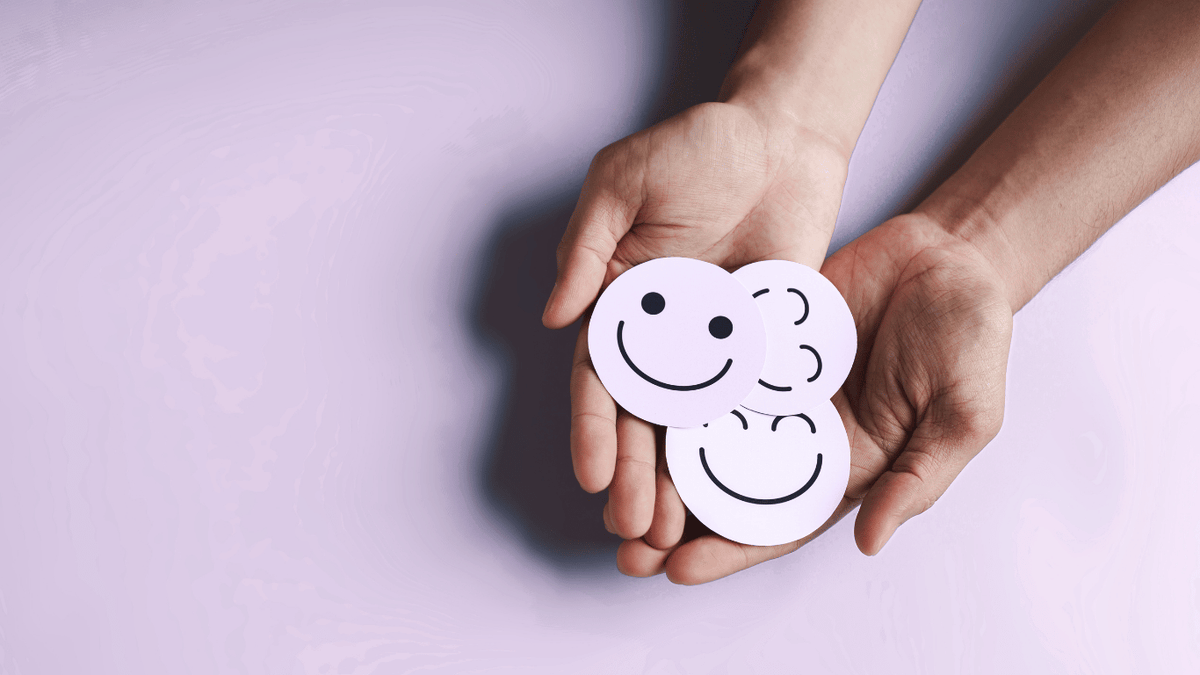
It can start with something small: a misplaced key, a short reply, a meeting that runs long. Suddenly your reaction feels bigger than the moment itself. The tears come faster. The irritation feels sharper. The worry lingers longer than it used to.
Perimenopause mood swings can feel unsettling because they do not always match the size of the moment. But emotional shifts during this transition are not a weakness. They can reflect a real mix of changing hormones, poor sleep, hot flashes, stress, caregiving demands, body changes, relationship strain, and the mental load many women have carried for years.

Why Your Emotions May Feel Different
Perimenopause is the transition before menopause, which is reached after 12 months without a period. During this time, estrogen and progesterone can rise and fall unevenly. Estrogen interacts with brain systems involved in serotonin and dopamine, which help shape mood, motivation, reward, and emotional balance.
That does not mean every difficult feeling is hormonal. It means the brain is adapting while life may already be demanding. Many women reach perimenopause while managing careers, children, aging parents, relationships, changing friendships, financial pressure, and a body that no longer feels predictable.
When sleep is broken by night sweats or early waking, the emotional volume can turn up. Fatigue makes it harder to pause, interpret gently, or recover from stress. What once rolled off your back may suddenly land with more force.
Why Some Women Feel It More Than Others
Not every woman experiences intense mood shifts. Sensitivity varies. Some women move through perimenopause with mild emotional changes. Others feel like their coping tools stopped working overnight.
Several factors can increase vulnerability:
- A history of depression, anxiety, PMDD, trauma, or bipolar disorder
- Chronic stress or caregiving overload
- Poor sleep or frequent night sweats
- Surgical menopause or abrupt hormone changes
- Major life transitions such as divorce, loss, or job strain
- Low social support
- A sedentary lifestyle or poor overall health
None of these factors means you are destined to struggle. They simply help explain why your experience may be different from someone else's.
The Sleep-Mood Loop
Sleep is often the first place perimenopause shows up. You may fall asleep easily but wake at 3 a.m. You may wake drenched from night sweats. You may sleep long enough but still feel unrested.
This matters because sleep and mood are deeply connected. Poor sleep can intensify irritability, worry, cravings, brain fog, and emotional reactivity. Then stress from the next day can make the following night harder. It becomes a loop.
Start with small sleep supports: keep the room cool, reduce alcohol close to bedtime, move caffeine earlier, use breathable layers, dim screens at night, and keep a steady wake time when possible. If sleep problems persist, bring them to a healthcare professional. Insomnia, sleep apnea, medication effects, mood concerns, and thyroid changes can overlap with perimenopause symptoms.

What Helps Perimenopause Mood Swings Feel More Manageable?
Support does not need to be complicated. It needs to be repeatable.
Move your body regularly. The [Centers for Disease Control and Prevention (CDC) notes that physical activity can support brain health, improve sleep, and reduce anxiety risk. Walking, strength training, yoga, swimming, cycling, or dancing can all count when they fit your life.
Nourish steadily. Skipping meals can make irritability and anxiety feel sharper. Build meals with protein, fiber-rich carbohydrates, healthy fats, and colorful plants. If caffeine, alcohol, or very sugary foods seem to worsen hot flashes, sleep, or mood, track patterns before making big changes.
Lower the stress load where you can. That may mean saying no sooner, asking for help before resentment builds, moving one task off your list, or building transition time between work and home. Boundaries are not selfish. They are nervous system care.
Use simple regulation tools. Slow breathing, meditation, journaling, therapy, prayer, music, massage, stretching, and time outdoors can help the body feel less under threat.
The National Institute of Mental Health (NIMH) recommends practices such as regular exercise, healthy meals, sleep, relaxing activities, gratitude, social connection, and knowing when to seek professional help.

Track the Pattern Before You Blame Yourself
A symptom log can turn vague suffering into useful information. Track your cycle day if you still have periods, sleep quality, hot flashes, night sweats, alcohol or caffeine, stress level, mood, anxiety, irritability, crying spells, focus, and any medication changes.
You might notice that mood drops after poor sleep, anxiety rises before bleeding, or irritability spikes after alcohol. Patterns do not make symptoms your fault. They give you leverage.
A Calmer Way to Think About This
You are not becoming a different person. You may be moving through a transition that asks more of your brain and body than your old routines can hold.
Reach out promptly if you feel unable to cope, have thoughts of self-harm, experience severe depression or panic, notice symptoms of mania, or feel unsafe. For less urgent but persistent symptoms, bring your notes to a healthcare professional and ask about mood, sleep, thyroid, medications, perimenopause, and care options that fit your life.
Perimenopause can be emotionally loud, but it can also become a turning point. With better language, better support, and fewer impossible expectations, this chapter can hold more than survival. It can hold steadier self-trust.
Read more

Have you started feeling less like yourself, even though nothing about your life looks dramatically different from the outside? Self-care during perimenopause is not indulgence. It is a practical ...
Nothing obvious has changed. The workload is familiar. The family schedule is still busy, but not unusually so. Yet a routine request suddenly feels intensely irritating. A minor setback brings une...
Leave a comment
All comments are moderated before being published.
This site is protected by hCaptcha and the hCaptcha Privacy Policy and Terms of Service apply.