
Hot Flashes in Women: More Than a Moment of Feeling Overheated
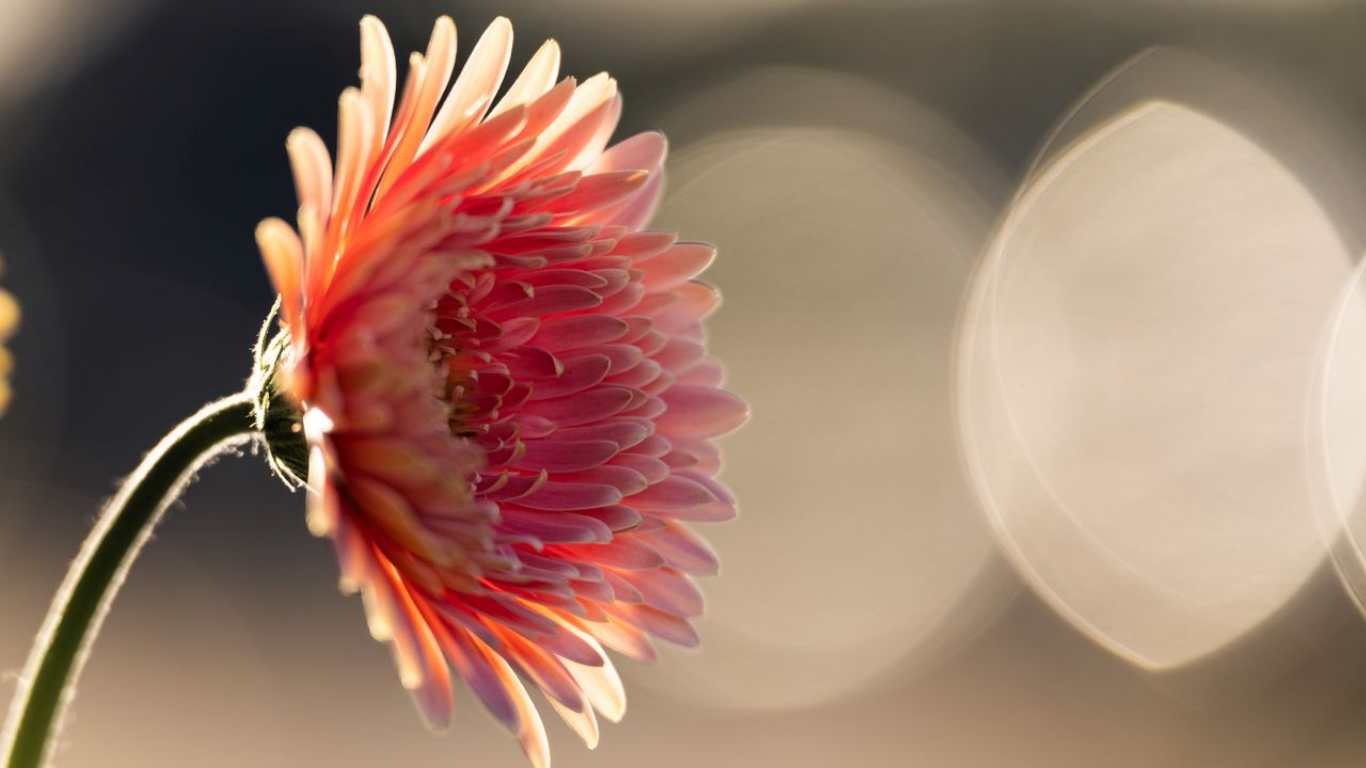
Have you ever felt heat rush through your face, neck, or chest without warning? Maybe your skin flushed, your heart sped up, or sweat appeared even though the room was not warm. A hot flash can feel sudden and confusing, especially when it is mistaken for anger, anxiety, or simply being "too emotional."
Hot flashes in women are not a personality shift. They are a body signal. For many women, they are connected to changing hormone levels during perimenopause and menopause. For others, similar heat surges may be linked with stress, medication side effects, thyroid changes, infection, alcohol, or other health factors. Most hot flashes are not dangerous, but they can disrupt sleep, mood, confidence, and daily comfort.

Why Hot Flashes Happen
During perimenopause and menopause, estrogen and progesterone levels shift. These hormonal changes can affect the body's temperature control system. The result may feel like a sudden internal thermostat misfire: heat rises quickly, sweating starts, then chills may follow as the body cools down.
Hot flashes can last seconds or several minutes. They may happen occasionally, or they may appear many times a day. Some women mainly notice them at night, where they can interrupt sleep and leave the body feeling damp, cold, and tired by morning.
Hot flashes may also show up outside the typical menopause window. Similar sensations can happen with intense stress, panic-like surges, alcohol, spicy foods, caffeine, some medications, thyroid concerns, infections, or other medical conditions. That is why context matters. Age, menstrual pattern, medications, fever, weight changes, and overall health all help tell the fuller story.

Are Hot Flashes a Sign of Early Menopause?
Sometimes, but not always. A hot flash by itself does not confirm early menopause. However, if hot flashes happen with missed periods, irregular cycles, night sweats, vaginal dryness, or difficulty getting pregnant before the expected menopause years, it is worth speaking with a healthcare professional.
The Office on Women's Health describes premature menopause as menopause before age 40 and early menopause as menopause before age 45. It also notes that early or premature menopause can happen naturally or after certain surgeries, medicines, cancer care, or health conditions.
This matters because early loss of ovarian hormone production can affect fertility, bone health, and heart health. If you are under 45 and your cycles have changed along with hot flashes, do not assume it is only stress. A medical conversation can help clarify what is happening.
Common Hot Flash Triggers to Watch
Not every hot flash has an obvious trigger, but tracking patterns can help. Many women notice that symptoms become more likely after:
- Spicy meals
- Alcohol
- Caffeine
- Hot rooms or heavy bedding
- Emotional stress
- Smoking
- Tight or heat-trapping clothing
- Warm drinks close to bedtime
Try writing down when the hot flash happened, what you ate or drank, where you were, and how you felt before it started. After one or two weeks, patterns may become easier to see.

How to Help Manage Hot Flashes at Home
Small changes can make hot flashes feel less overwhelming. The goal is not to control every body signal perfectly. It is to lower your exposure to triggers and support your nervous system when heat rises.
Start with cooling strategies. Dress in breathable layers, choose cotton or moisture-wicking sleepwear, keep a fan nearby, and use lighter bedding. A cold cloth on the neck or face can help when a hot flash begins. Keeping cool water within reach may also make an episode feel easier to ride out.
Support your stress response. Slow breathing, gentle stretching, yoga, meditation, and quiet breaks can help the body shift out of alarm mode. Stress does not mean symptoms are "in your head." It means the nervous system can amplify physical sensations, including flushing, sweating, and a rapid heartbeat.
Move regularly. Physical activity may support sleep, mood, and metabolic health during midlife. Choose movement you can repeat: walking, swimming, cycling, strength training, yoga, or dancing. You do not need an extreme routine for it to count.
Adjust food and drink triggers. If caffeine, alcohol, spicy food, or chocolate seems to worsen symptoms, experiment with reducing one trigger at a time. This makes it easier to know what actually helps.
Quit smoking if you smoke. Smoking is associated with more difficult menopause symptoms and earlier menopause timing. If stopping feels hard, ask a healthcare professional about practical support.
What If Hot Flashes Are Affecting Sleep?
Night sweats can make the next day harder: less patience, more cravings, lower energy, and more emotional sensitivity. The [National Institute on Aging, part of the National Institutes of Health](https://www.nia.nih.gov/health/menopause/hot-flashes-what-can-i-do), suggests practical steps such as dressing in layers, using a fan, drinking cold water, tracking triggers, and asking a healthcare professional about care options if hot flashes are disruptive.
A cool, dark bedroom can help. Avoid heavy meals, alcohol, nicotine, and caffeine close to bedtime. If you wake soaked, keep a spare sleep shirt or towel nearby so you can settle back down with less disruption.

When to Speak With a Healthcare Professional
Seek medical guidance if hot flashes are new, severe, frequent, or affecting daily life. Also make an appointment if they happen with fever, unexplained weight loss, swollen lymph nodes, rash, major appetite changes, persistent insomnia, irregular bleeding, missed periods before age 45, or bleeding after menopause.
If you are taking medication, ask whether hot flashes could be a side effect. If you have symptoms such as a fast heartbeat, tremor, heat intolerance, or major fatigue, a healthcare professional may want to check for thyroid or other health concerns.
The Takeaway
Hot flashes in women are real body events, not overreactions. They can be part of perimenopause or menopause, but they can also overlap with stress, medications, lifestyle triggers, or other health changes. Tracking patterns, cooling the body, protecting sleep, and knowing when to ask for help can make the experience feel less mysterious.
You deserve language for what is happening in your body. You also deserve care that takes your symptoms seriously.
Read more
Do you fall asleep easily, then suddenly wake in the middle of the night with a clear, restless mind? Have you started seeing 3:00 a.m. on the clock more often than you see a full night of sleep? I...

Have you started feeling less like yourself, even though nothing about your life looks dramatically different from the outside? Self-care during perimenopause is not indulgence. It is a practical ...
Leave a comment
All comments are moderated before being published.
This site is protected by hCaptcha and the hCaptcha Privacy Policy and Terms of Service apply.