
How to Prevent Menopause Weight Gain: A Practical Midlife Guide
Have your usual routines started feeling less predictable? Maybe the same breakfast no longer keeps you full, your waistline feels different, or a missed workout shows up faster than it once did. If so, you are not imagining the shift.
Menopause weight gain is common, but it is not a personal failure. Around midlife, hormonal changes, aging, sleep disruption, stress, and changes in muscle mass can all influence how the body stores and uses energy. Prevention is not about punishing rules. It is about building a daily rhythm that protects muscle, steadies appetite, and supports metabolic health.
Menopause is reached after 12 months without a period. The years before that, called perimenopause, can bring changing estrogen and progesterone levels, irregular cycles, hot flashes, sleep changes, mood shifts, and body composition changes.
 Why Weight Can Change Around Menopause
Estrogen changes can affect where fat is stored, with more weight tending to settle around the abdomen. At the same time, muscle mass often declines with age. Since muscle uses more energy than fat tissue, losing muscle can lower daily calorie use.
Sleep can also matter. Night sweats, hot flashes, stress, and busy caregiving or work demands may shorten rest. When sleep is poor, hunger and cravings can feel harder to regulate.
This is why the answer is not simply “eat less.” A better menopause weight management plan protects the systems that keep metabolism resilient: muscle, sleep, blood sugar balance, and emotional support.
Move More, But Make It Sustainable
 Aerobic activity helps the body use energy, supports heart health, and can improve sleep and mood. For many women, brisk walking is the most realistic place to begin. Cycling, swimming, dancing, hiking, and active gardening can also count.
CDC guidance for adults recommends at least 150 minutes of moderate-intensity activity each week, or 75 minutes of vigorous-intensity activity, plus muscle-strengthening activity on at least two days. Spread it across the week in a way your life can hold.
If that feels out of reach, start smaller. Ten minutes after lunch, a walking phone call, or one extra flight of stairs still helps build a daily movement habit.
Strength Training Is Not Optional After 40
Strength training is one of the most useful tools for menopause weight gain prevention because it helps preserve and build muscle. More muscle supports strength, balance, joint function, and calorie use.
Aim for at least two sessions per week that work the major muscle groups: legs, hips, back, chest, shoulders, arms, and core. You can use dumbbells, machines, resistance bands, kettlebells, or body weight.
Start with simple patterns:
- Squats or sit-to-stands
- Hip hinges or deadlift variations
- Rows
- Wall, incline, or floor pushups
- Step-ups
- Planks or carries
If you are new to strength training, have pain, or have osteoporosis risk, ask a qualified professional for safe form guidance.
Eat for Fullness, Fiber, and Muscle
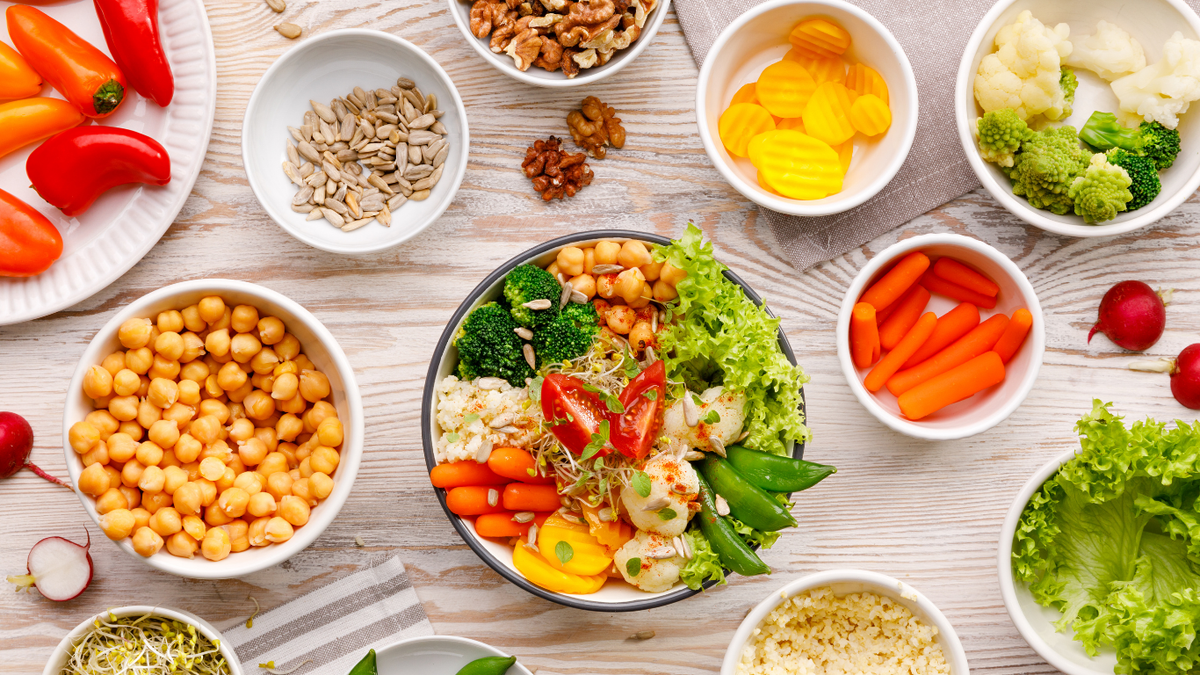
 A midlife nutrition plan should help you feel nourished, not deprived. To prevent menopause weight gain, focus on foods that deliver fullness and nutrients.
Build meals around:
- Vegetables and fruit
- Beans, lentils, tofu, soy foods, and other plant proteins
- Whole grains such as oats, brown rice, farro, or quinoa
- Fish and seafood
- Low-fat or unsweetened dairy, if tolerated
- Nuts, seeds, avocado, olive oil, and other mostly unsaturated fats
NIDDK guidance on eating and physical activity emphasizes eating patterns that fit your calorie and nutrient needs, along with regular physical activity and support when needed. In everyday terms, that means choosing mostly minimally processed foods, getting enough protein, and making fiber-rich plants a regular part of the plate.
Because calorie needs may decline with age, some women may need slightly smaller portions than they did in their 30s or early 40s. That means making each meal work harder for you.
Check Added Sugar Without Becoming Rigid
Sweet drinks and desserts can quietly add calories without much fullness. Start with beverages: soda, sweetened coffee drinks, energy drinks, sweet tea, and juice can be easy places to lower added sugar.
You do not need a zero-sugar life. A more realistic goal is to notice patterns. If sugar appears in breakfast, coffee, snacks, and dessert, choose one place to begin. Try unsweetened tea, sparkling water with citrus, plain yogurt with berries, or a smaller dessert.
Be Thoughtful With Alcohol
 Alcohol can add calories and may worsen sleep or hot flashes for some women. It can also make evening snacking more likely. If weight is rising despite healthy meals, look at frequency, serving size, and the habits around drinking.
You might try alcohol-free weekdays, smaller pours, alternating with water, or choosing social rituals that do not center on a drink. The goal is awareness, not shame.
Protect Sleep and Stress Recovery
Sleep is part of weight care. MedlinePlus notes that menopause can bring sleep problems, and regular exercise may support better rest. A cool bedroom, a consistent wind-down routine, reduced late caffeine, and morning light exposure may help.
Stress matters too. Midlife often carries invisible labor: family needs, career pressure, caregiving, and changing identity. Chronic stress can make meal planning, movement, and sleep harder to maintain. Gentle structure helps. Plan two simple breakfasts, keep protein-rich snacks available, and schedule movement.
When to Speak With a Healthcare Professional
 Talk with a healthcare professional if weight gain is rapid, unexplained, or accompanied by symptoms such as extreme fatigue, new shortness of breath, swelling, depression, or significant changes in appetite. Also seek medical guidance for bleeding after menopause, very heavy bleeding during perimenopause, or symptoms that disrupt daily life.
If weight loss is medically recommended, NIH weight management guidance emphasizes personalized goals, healthy eating patterns, physical activity, tracking, and professional support when needed.
The Takeaway
Preventing menopause weight gain is less about perfection and more about protecting your future body with repeatable habits. Move often. Lift weights. Eat more plants and protein. Reduce added sugars where they sneak in. Be honest about alcohol. Guard your sleep. Let supportive people in.
Your body is changing, and your care strategy can change with it. Small, consistent choices can help you feel steadier, stronger, and more at home in midlife.
Read more
Have you ever known exactly what needed to be done, yet still could not begin? The email is open. The list is clear. The deadline is real. But the brain feels like it cannot find the switch. For ma...
Menopause weight gain can feel frustrating, especially when your routines have not changed much. Nutrition is not about restriction or chasing a perfect diet. It is about giving a changing body the...
Leave a comment
All comments are moderated before being published.
This site is protected by hCaptcha and the hCaptcha Privacy Policy and Terms of Service apply.