
Menopause Weight Gain and Nutrition: What to Eat for Steadier Energy
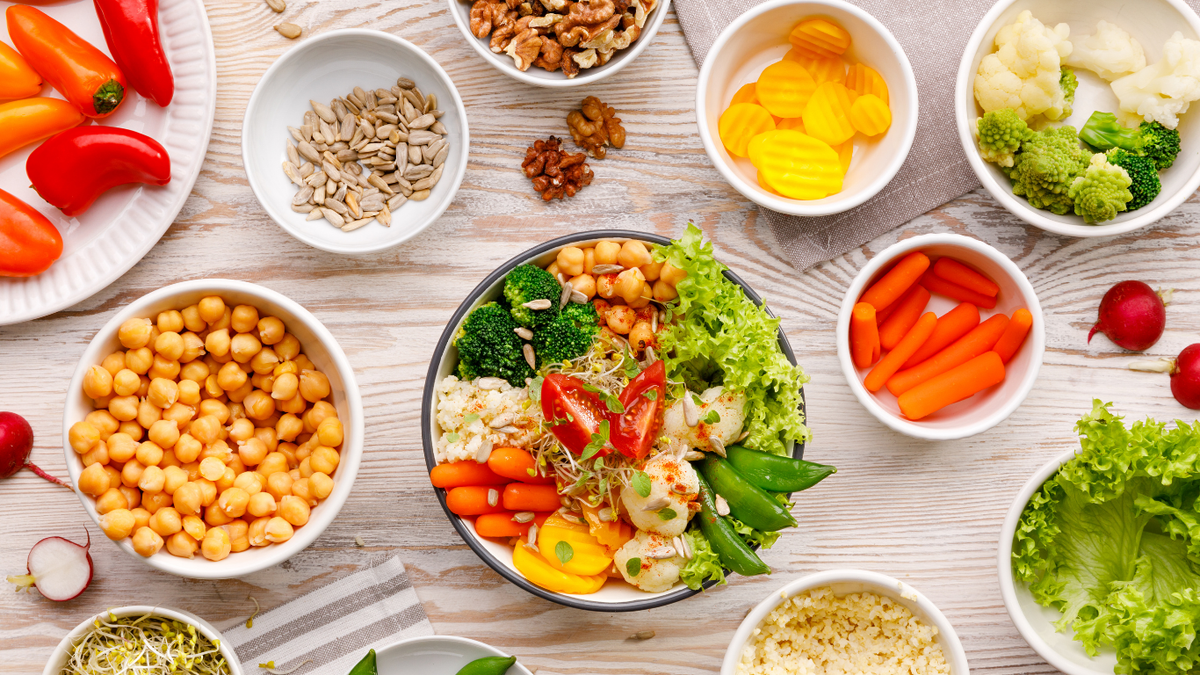
Menopause weight gain can feel frustrating, especially when your routines have not changed much. Nutrition is not about restriction or chasing a perfect diet. It is about giving a changing body the nutrients and steadiness it needs.
Menopause is reached after 12 months without a period. The years around that transition can bring hot flashes, night sweats, sleep changes, mood shifts, vaginal dryness, and body composition changes. The Office on Women's Health, part of the U.S. Department of Health and Human Services, notes that menopause symptoms can vary widely. Nutrition cannot control every symptom or prevent every pound, but it can support bone health, heart health, digestion, energy, and metabolic balance.
Quick Answer: What Helps With Menopause Weight Gain?
The best nutrition pattern for menopause weight gain is balanced, fiber-rich, and protein-aware. Build meals around vegetables, fruit, whole grains, beans, lentils, soy foods, fish, eggs, lean proteins, nuts, seeds, olive oil, and calcium-rich foods. Limit foods and drinks that worsen your symptoms or make appetite harder to regulate, especially alcohol, excess caffeine, very sugary foods, and meals that feel too spicy or heavy for your body.
The goal is not to remove joy from eating. It is to create a plate that keeps you full, supports muscle, protects bones, and avoids blood sugar spikes that can make energy and mood feel less stable.

Start With Bone-Supporting Nutrients
After menopause, lower estrogen is linked with faster bone loss. That makes calcium, vitamin D, protein, and strength-supporting foods especially important.
The National Institutes of Health Office of Dietary Supplements states that adult women ages 51 to 70 need 1,200 mg of calcium daily. Calcium-rich foods include milk, yogurt, cheese, fortified soy or almond beverages, tofu made with calcium, canned salmon or sardines with bones, kale, broccoli, and bok choy.
Food-first is usually a practical place to begin. If you are considering calcium supplements, ask a healthcare professional, especially if you take thyroid medication, certain antibiotics, lithium, or other medicines that may interact with calcium.
Do Not Forget Vitamin D
Vitamin D helps the body absorb calcium. It also plays a role in muscle and immune function. The National Institutes of Health Office of Dietary Supplements lists 600 IU of vitamin D per day for adults ages 19 to 70 and 800 IU per day for adults over 70.
Vitamin D can come from sunlight, fortified foods, fatty fish, egg yolks, and supplements when needed. Because vitamin D status can vary by skin tone, sun exposure, geography, age, and health conditions, testing and personalized guidance can be useful.

Build a Plate That Supports Weight Stability
A menopause-friendly plate should help you feel satisfied for several hours. That matters for weight gain because fullness, steady energy, and enough protein can make grazing and late-day cravings less automatic. A simple structure works well:
- Half the plate: colorful vegetables or fruit
- One quarter: protein such as fish, poultry, eggs, tofu, tempeh, beans, lentils, or Greek yogurt
- One quarter: fiber-rich carbohydrate such as oats, brown rice, quinoa, barley, sweet potato, or whole-grain bread
- Add: healthy fats from olive oil, avocado, nuts, seeds, or fatty fish
Protein helps maintain muscle, which matters as muscle mass tends to decline with age. Fiber supports digestion, fullness, cholesterol patterns, and steadier blood sugar. Healthy fats help meals feel satisfying and can support heart health when they replace saturated fats from heavily processed or high-fat animal foods. Together, these choices can support a more realistic approach to menopause weight gain than skipping meals or cutting entire food groups.
Fiber, Iron, and Hydration Still Matter
Fiber often drops when meals become more rushed or snack-based. Aim to bring plants into most meals: berries with breakfast, beans in soup, vegetables with lunch, lentils in a grain bowl, or nuts and fruit as a snack.
Iron needs may change after periods stop because menstrual blood loss ends. Still, iron remains important for oxygen transport and energy. Good food sources include fish, poultry, eggs, beans, lentils, tofu, spinach, pumpkin seeds, and fortified grains. If you feel unusually tired, do not guess. Ask about lab testing before starting iron supplements.
Hydration also deserves attention. Water needs vary, but thirst can be easy to ignore during busy days. If hot flashes, night sweats, exercise, or warm weather leave you depleted, keep water visible and pair it with meals and morning routines.

Foods and Drinks That Can Work Against Weight Goals
Triggers are personal. For some women, caffeine is fine in the morning but disruptive after lunch. For others, alcohol worsens sleep, night sweats, or hot flashes. Spicy foods, very sweet snacks, and heavy late meals can also make symptoms feel louder. When sleep is disrupted, weight gain can feel harder to manage because energy, cravings, and hunger cues may feel less steady the next day.
Try a two-week symptom log before cutting out whole food groups. Track hot flashes, sleep, mood, digestion, caffeine, alcohol, spicy foods, late meals, and sugar intake. Patterns are more useful than rigid rules.
If you notice a connection, experiment gently:
- Move caffeine earlier in the day.
- Choose smaller servings of alcohol or alcohol-free evenings.
- Pair carbohydrates with protein and fiber.
- Swap very sugary snacks for fruit with yogurt, nuts, or nut butter.
- Keep dinner lighter if late meals worsen sleep.
Be Careful With Supplements and Big Promises
Menopause can make supplement marketing feel tempting. Soy foods, omega-3-rich fish, calcium, vitamin D, magnesium, and other nutrients may all have a place in a balanced diet, but more is not always better.
Supplements can interact with medications, and high doses can cause harm. Before adding calcium, vitamin D, iron, herbal blends, or concentrated menopause formulas, bring your full medication and supplement list to a healthcare professional or registered dietitian.

Where to Begin This Week
Menopause weight gain does not have to start with a complete lifestyle overhaul. Begin with one meal you repeat often. Add protein. Add fiber. Add a calcium-rich food. Put water where you will actually drink it. Notice whether caffeine, alcohol, sugar, or spice changes how you sleep, snack, or feel.
Your body is not asking for perfection. It is asking for consistency, nourishment, and attention. A steadier plate can become one of the simplest ways to feel more supported through menopause.
Read more
Have your usual routines started feeling less predictable? Maybe the same breakfast no longer keeps you full, your waistline feels different, or a missed workout shows up faster than it once did. I...

Do you fall asleep easily, then suddenly wake in the middle of the night with a clear, restless mind? Have you started seeing 3:00 a.m. on the clock more often than you see a full night of sleep? I...
Leave a comment
All comments are moderated before being published.
This site is protected by hCaptcha and the hCaptcha Privacy Policy and Terms of Service apply.