
Perimenopause and Insulin Resistance: What Every Midlife Woman Should Understand
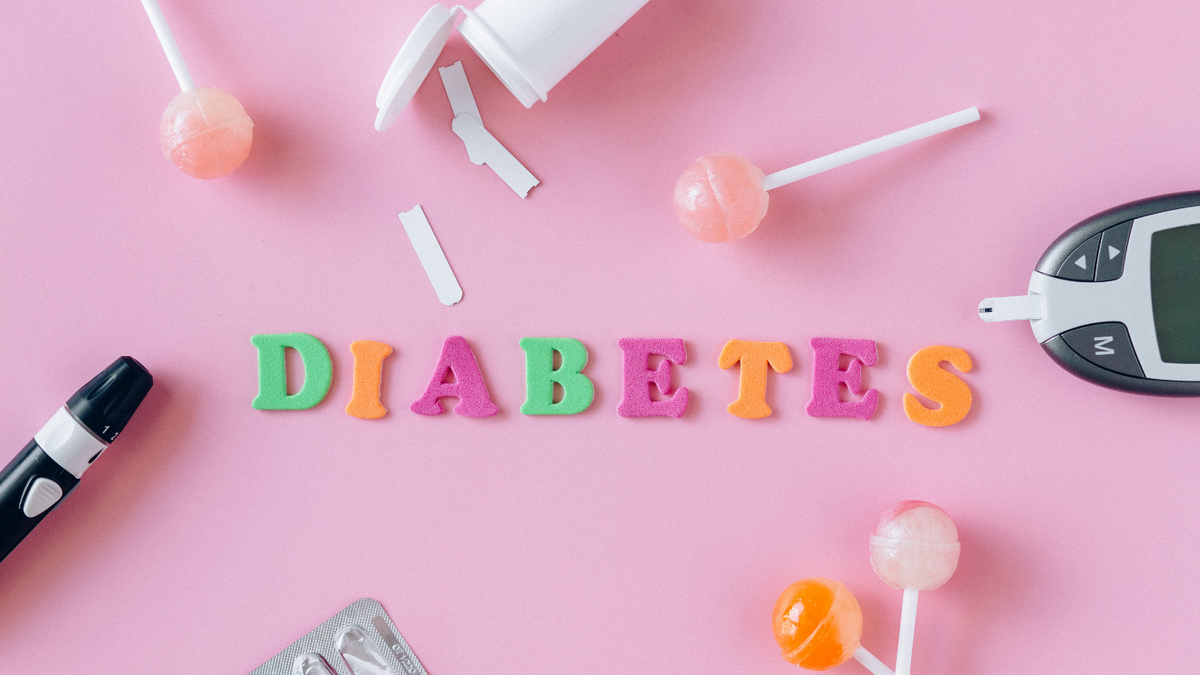
For many women, insulin resistance does not announce itself with an obvious symptom.
The first clue may simply be a routine blood test that looks a little different than it did a few years ago. Perhaps fasting glucose has moved upward. Perhaps waist circumference has increased even though body weight has changed very little. At the same time, sleep may be less predictable, maintaining muscle may feel harder, and the body may seem to store fat differently.
These changes can overlap with perimenopause, but the relationship is more complicated than saying that declining estrogen directly causes insulin resistance.
Research increasingly describes the menopause transition as an important period for cardiometabolic health. Changes in reproductive hormones occur alongside aging, shifts in body composition, sleep disruption, lifestyle factors, genetics, and other influences that can affect how efficiently the body responds to insulin. (Review: Menopause: a cardiometabolic transition)
Understanding that interaction can help us pay attention to metabolic health without blaming every midlife change on hormones.
What Is Insulin Resistance?
Insulin is a hormone produced by the pancreas. One of its central jobs is helping glucose move from the bloodstream into cells, where it can be used for energy.
With insulin resistance, cells in tissues such as muscle, fat, and the liver do not respond to insulin as effectively as they normally would. The pancreas may compensate by producing more insulin to help keep blood glucose within a normal range. Over time, this compensation may become insufficient, allowing glucose levels to rise. Insulin resistance can contribute to prediabetes and eventually type 2 diabetes in some people. (NIDDK: Insulin Resistance & Prediabetes)
Importantly, insulin resistance and prediabetes often produce no obvious symptoms. Feeling tired after lunch, experiencing cravings, or gaining abdominal weight does not by itself diagnose insulin resistance. Blood testing is needed to evaluate glucose regulation.

Does Perimenopause Cause Insulin Resistance?
Not exactly.
It is more accurate to say that the menopause transition may contribute to an environment in which insulin sensitivity changes in some women.
Reviews of cardiometabolic health across menopause report increases in insulin resistance, abdominal fat, unfavorable lipid changes, and other metabolic risk factors during this period. However, menopause occurs at the same time that women are getting older, and age itself influences muscle mass, physical activity, body composition, and metabolic health. Separating these effects is scientifically difficult. (2024 review: Menopause transition and cardiovascular disease risk)
This distinction matters. Perimenopause is not a diagnosis of insulin resistance, and developing insulin resistance during midlife does not mean hormones are the only explanation.
Several biological and lifestyle changes may interact.

1. Fat May Begin to Accumulate Differently
One of the most consistent findings around the menopause transition involves body composition rather than simply body weight.
A longitudinal analysis from the Study of Women’s Health Across the Nation, or SWAN, found that around the menopause transition, the rate of fat gain increased while lean mass began to decline. Interestingly, overall body weight did not show the same menopause-related acceleration. (Greendale et al., 2019)
This helps explain why the scale does not tell the whole metabolic story.
Research also suggests that menopause-related hormonal changes may favor a more central distribution of body fat. Visceral fat, which accumulates around internal abdominal organs, is metabolically different from the fat stored directly beneath the skin. Greater visceral adiposity is strongly associated with impaired insulin sensitivity and cardiometabolic risk. (2026 review on body composition during menopause)
This does not mean every woman will develop noticeable belly fat. It means waist distribution can become another useful part of the metabolic picture.
2. Muscle Becomes Increasingly Important
Skeletal muscle is one of the body's major sites for glucose disposal after eating. When insulin signals effectively, muscle cells take glucose from the bloodstream and use or store it.
That makes changes in lean mass relevant to insulin sensitivity.
The SWAN study found a decline in lean mass beginning around the menopause transition, although both aging and menopause-related processes contribute to body-composition changes.
This is one reason metabolic health after 40 should not be reduced to losing weight. Preserving muscle can be important even when body weight stays stable.
Regular physical activity, including muscle-strengthening activity, is associated with better metabolic health and can help counter age-related changes in body composition. Research in postmenopausal women also supports resistance exercise as a useful component of maintaining physical function and body composition. (Systematic review of resistance training in postmenopausal women)

3. Sleep May Quietly Affect Glucose Regulation
Sleep problems become common during the menopause transition. Hot flashes can disrupt sleep, but they are not the only possible reason. Insomnia, mood changes, sleep apnea, caregiving demands, stress, and normal age-related changes in sleep can also contribute.
Poor sleep matters metabolically because sleep and circadian regulation interact with glucose metabolism, appetite, physical activity, and insulin sensitivity. Reviews of cardiometabolic health during menopause therefore increasingly consider sleep alongside body composition and glucose regulation rather than viewing these systems independently. (Review of body composition and cardiometabolic health across menopause)
This creates a possible feedback loop. Poor sleep may make metabolic regulation harder, while metabolic health can also influence sleep quality.
Again, this is not proof that a few difficult nights will cause insulin resistance. It is another reason to view sleep as part of overall midlife health rather than simply a nighttime inconvenience.

4. Hormones Are Part of the Story, Not the Entire Story
Estrogen influences many tissues involved in metabolism, including the liver, skeletal muscle, adipose tissue, and the central nervous system. Experimental and clinical research suggests that changes in estrogen signaling may influence body-fat distribution and insulin sensitivity.
But hormone levels do not operate in isolation.
Family history, previous gestational diabetes, PCOS, physical inactivity, excess adiposity, certain medications, smoking, diet, sleep, and aging can all affect the likelihood of developing abnormal glucose regulation.
For that reason, we should be cautious about claims that a single food, supplement, hormone, or “blood sugar hack” can correct the entire picture.
Metabolic health is usually the result of many interacting factors.

How Do You Know If Your Blood Sugar Is Changing?
We cannot reliably diagnose insulin resistance from how we feel.
Healthcare professionals commonly use A1C, fasting plasma glucose, or an oral glucose tolerance test to identify prediabetes and diabetes. According to the National Institute of Diabetes and Digestive and Kidney Diseases, an A1C of 5.7% to 6.4%, fasting glucose of 100 to 125 mg/dL, or a two-hour glucose level of 140 to 199 mg/dL on an oral glucose tolerance test falls within the prediabetes range. (NIDDK testing criteria)
These tests do not measure exactly the same aspect of glucose regulation, and A1C can be less reliable in certain medical situations. Results should therefore be interpreted in the context of individual health history.
The American Diabetes Association's 2026 Standards recommend risk assessment and diabetes screening beginning by age 35 for adults, with earlier or more frequent assessment appropriate when additional risk factors are present. (ADA Standards of Care 2026)
What Can We Focus on During Perimenopause?
The goal is not to fear carbohydrates, chase perfectly flat glucose curves, or assume that every change in body shape signals metabolic disease.
A more useful approach is to protect the foundations of metabolic health.
That includes regular movement, resistance exercise, adequate sleep, maintaining or building muscle, eating a nutrient-dense dietary pattern rich in minimally processed foods and fiber, avoiding smoking, and monitoring blood pressure, glucose, cholesterol, and other relevant markers with a healthcare professional. Current ADA guidance recognizes several evidence-based dietary patterns for reducing type 2 diabetes risk, including Mediterranean-style eating patterns.
For someone who already has prediabetes, PCOS, a history of gestational diabetes, a strong family history of type 2 diabetes, or other cardiometabolic risk factors, the menopause transition can be an especially useful time to review these markers rather than waiting for symptoms to appear.

Midlife Is a Useful Window for Metabolic Awareness
Perimenopause changes the hormonal environment, but hormones are only one piece of a much larger metabolic system.
For some of us, this stage may coincide with more abdominal fat, less lean mass, disrupted sleep, or changes in insulin sensitivity. For others, glucose regulation may remain stable.
The important point is that insulin resistance is neither an inevitable consequence of menopause nor something we can reliably identify from body weight or symptoms alone.
When we look beyond the scale and pay attention to muscle, waist distribution, sleep, movement, blood pressure, glucose, and lipid markers, we gain a clearer picture of what is actually happening.
Midlife can therefore be viewed not as the moment when metabolism suddenly “breaks,” but as an opportunity to understand it more closely and support the systems that will matter for decades to come.
Read more

You fall asleep without much trouble. The room is cool. There is no night sweat, no racing heart, and no obvious reason to be awake. Then, at 2:17 a.m., your eyes open. Maybe you fall back asleep. ...

Magnesium has become one of the most talked-about minerals in midlife wellness. Somewhere between the 3 a.m. wake-up, the shorter fuse, and the bottle of magnesium glycinate on the nightstand, a si...
Leave a comment
All comments are moderated before being published.
This site is protected by hCaptcha and the hCaptcha Privacy Policy and Terms of Service apply.