
Magnesium for Perimenopause: What the Evidence Really Says About Sleep, Stress, and Mood
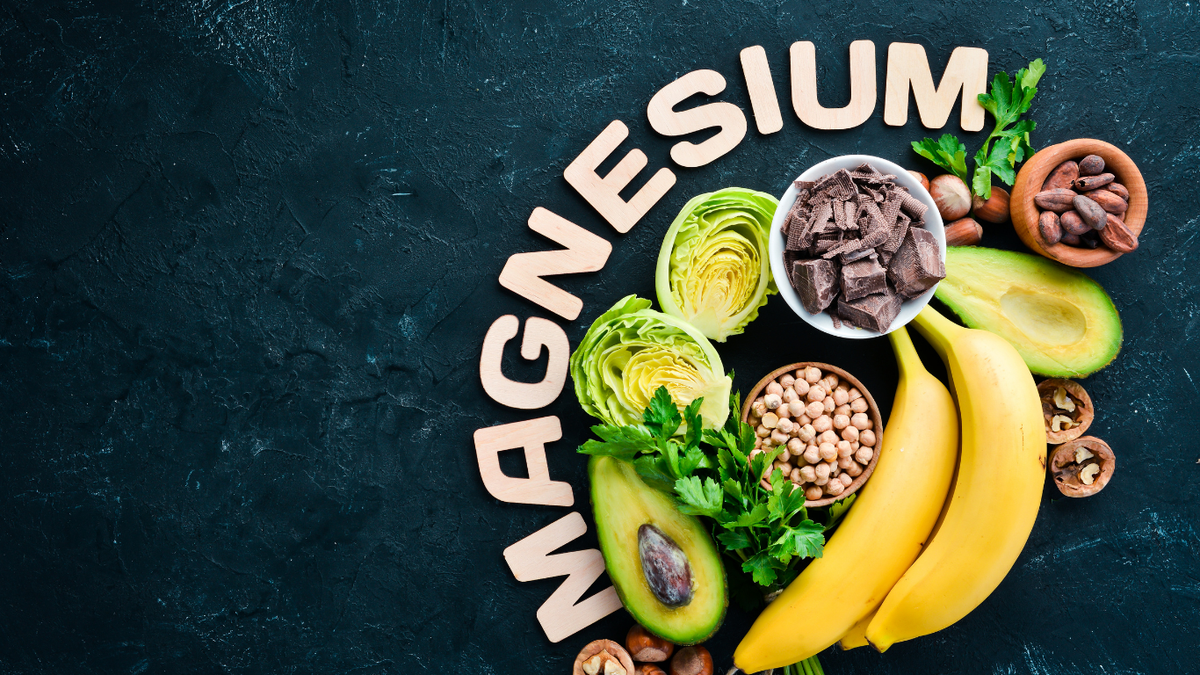
Magnesium has become one of the most talked-about minerals in midlife wellness. Somewhere between the 3 a.m. wake-up, the shorter fuse, and the bottle of magnesium glycinate on the nightstand, a simple story has taken hold: perimenopause creates a greater need for magnesium, and taking more will help us sleep, feel calmer, and stabilize our mood.
The biology is more interesting than that, and the evidence is less tidy.
Magnesium is essential for normal nerve and muscle function, energy production, glucose regulation, blood pressure, and bone health. Those roles make it biologically plausible that magnesium status could matter when sleep or emotional well-being feels less steady. But plausibility is not the same as proof that magnesium supplements specifically improve perimenopause symptoms.
So what do we actually know?
First, What Is Magnesium Doing in the Body?
Magnesium is a mineral and electrolyte found mostly in bone and soft tissues. Less than 1% of the body's magnesium circulates in serum, which is one reason magnesium status can be difficult to assess accurately.
The NIH Office of Dietary Supplements notes that magnesium contributes to more than 300 enzyme systems. It is involved in energy metabolism, nerve impulse conduction, muscle contraction, blood glucose control, normal heart rhythm, and bone structure.
For adult women ages 31 and older, the Recommended Dietary Allowance is 320 mg per day from all sources. Food sources include pumpkin seeds, chia seeds, almonds, spinach, cashews, beans, whole grains, and edamame. Importantly, the current RDA does not increase simply because a woman enters perimenopause.

Magnesium and Sleep: Promising, but Not Definitive
Sleep disturbance becomes more common during the menopause transition. Hot flashes and night sweats can interrupt sleep, but stress, mood symptoms, sleep apnea, restless legs, age-related sleep changes, and other medical conditions may also contribute. Research on menopausal sleep therefore emphasizes that insomnia in midlife rarely has one single cause.
Magnesium has attracted attention because it participates in nervous-system signaling and may influence pathways relevant to sleep. But when we move from biological theory to human trials, the picture becomes less certain.
A 2023 systematic review on magnesium and sleep found that observational studies generally linked magnesium status with several sleep outcomes. However, randomized clinical trials produced uncertain results.
A 2021 systematic review and meta-analysis of three randomized trials involving 151 older adults found that magnesium supplementation shortened sleep-onset latency by approximately 17 minutes compared with placebo. Total sleep time increased by about 16 minutes, but that difference was not statistically significant. The researchers rated the underlying evidence as low to very low quality.
More recently, a 2025 randomized placebo-controlled trial of magnesium bisglycinate in adults with self-reported poor sleep found a modest improvement in insomnia severity. The study was not specific to perimenopausal women, and its authors called for longer studies and better identification of people most likely to respond.
The practical conclusion is therefore modest: magnesium may help sleep in some people, particularly when intake or magnesium status is low, but current evidence does not support presenting it as a reliable answer to perimenopausal insomnia.

What About Stress and Anxiety?
This is another area where the popular message is often stronger than the evidence.
Magnesium participates in neural signaling, and researchers have proposed several mechanisms through which magnesium status could interact with the stress response. Still, supplementation research remains heterogeneous.
A systematic review examining magnesium for subjective anxiety and stress found suggestive benefits in some vulnerable populations. However, the quality of evidence was poor, and the studies varied considerably in their populations, magnesium formulations, doses, and methods of measuring stress or anxiety.
A 2024 review of magnesium supplementation, anxiety, and sleep reached a cautiously positive conclusion, particularly for people who may have low magnesium status, while also emphasizing significant limitations in the available evidence.
For women in perimenopause, this distinction matters.
Feeling more anxious or physiologically “wired” can arise from overlapping factors, including hormonal fluctuations, disrupted sleep, vasomotor symptoms, life stress, caffeine, alcohol, thyroid disorders, medications, or an existing vulnerability to anxiety.
Magnesium may be one nutritional factor within that picture. It should not become the explanation for the whole picture.

Magnesium and Mood: What Does the Research Show?
Magnesium has also received attention in depression research.
A 2023 systematic review and meta-analysis of randomized clinical trials reported that magnesium supplementation was associated with improvements in depression scores. However, the trials involved varied adult populations rather than specifically women experiencing perimenopause, and the researchers called for larger, higher-quality randomized studies.
Observational research also often finds that lower dietary magnesium intake is associated with more depressive symptoms. But association does not establish cause and effect. Low mood may change eating patterns and other health behaviors, while other factors may affect both magnesium intake and emotional health.
This is why statements such as “magnesium balances mood during menopause” go beyond what the evidence currently establishes.
Adequate magnesium supports normal nervous-system function. But persistent depression, anxiety, hopelessness, or significant changes in daily functioning deserve professional assessment rather than being approached as a nutrient problem alone.
 Does Perimenopause Cause Magnesium Deficiency?
There is no strong evidence that perimenopause itself routinely causes magnesium deficiency.
According to the NIH, groups more likely to have inadequate magnesium status include people with certain gastrointestinal diseases, type 2 diabetes, alcohol dependence, and older adults. Some medications can also affect magnesium status. Long-term proton pump inhibitor use, for example, can cause low magnesium in some people, while certain diuretics can increase urinary magnesium losses.
Clinically significant magnesium deficiency caused solely by low dietary intake is uncommon in otherwise healthy people because the kidneys reduce magnesium loss when body stores are low.
Magnesium status is also difficult to assess. Serum magnesium is the most commonly used laboratory measurement, but because so little of the body's magnesium circulates in blood, a serum value does not perfectly represent total-body stores.
For this reason, symptoms such as fatigue, poor sleep, irritability, or muscle tension cannot diagnose magnesium deficiency on their own.
Food First Still Makes Sense
For many of us, the most evidence-aligned place to begin is not choosing between glycinate, citrate, or threonate. It is looking at whether our overall diet regularly provides magnesium-rich foods.
Pumpkin seeds, chia seeds, almonds, cashews, beans, edamame, spinach, and whole grains can all contribute meaningful amounts. These foods also bring other nutrients that matter during midlife, including fiber, plant protein, unsaturated fats, and micronutrients.
The NIH recommends meeting nutritional needs primarily through food when possible. Supplements can be useful when food intake is insufficient or individual circumstances create a particular need.

If You Consider a Supplement, More Is Not Automatically Better
Different magnesium compounds vary in absorption.
NIH data indicate that magnesium citrate, chloride, lactate, and aspartate generally have greater bioavailability than magnesium oxide. But better absorption does not mean a particular form has been proven superior for perimenopause, sleep, stress, or mood.
For adults, the U.S. tolerable upper intake level for magnesium from supplements and medications is 350 mg per day. Importantly, this limit does not include magnesium naturally present in food.
Higher supplemental doses can cause diarrhea, nausea, and abdominal cramping. Very high intakes can become dangerous, particularly when kidney function is impaired because the kidneys are responsible for removing excess magnesium.
Magnesium can also interfere with the absorption of some antibiotics and oral bisphosphonates. Women with kidney disease, those taking regular medications, or anyone considering larger supplemental doses should discuss magnesium use with a healthcare professional.

So, Is Magnesium Worth Considering During Perimenopause?
Magnesium deserves neither the hype nor the dismissal it sometimes receives.
It is an essential nutrient, and adequate intake supports fundamental functions that remain important throughout midlife. Some research suggests that supplementation may modestly support sleep, stress, anxiety, or depressive symptoms in selected populations. But the studies are inconsistent, often small, and rarely designed specifically around perimenopause.
For us, the more useful question may not be, “Which magnesium should every woman over 40 take?”
It may be, “Am I getting enough magnesium, and what else could be contributing to what I am feeling?”
Sleep disturbance, anxiety, and mood changes during perimenopause are real, but they are rarely one-nutrient problems. Looking at magnesium alongside sleep patterns, vasomotor symptoms, food quality, physical activity, medications, mental health, and other medical factors gives us a fuller and more scientifically grounded view.
Midlife health is rarely about finding one missing ingredient. More often, it is about understanding how several small pieces fit together.
Read more
For many women, insulin resistance does not announce itself with an obvious symptom. The first clue may simply be a routine blood test that looks a little different than it did a few years ago. Per...

A carton of soy milk can carry two completely different reputations. In one conversation, soy is described as a natural source of “estrogen” that women should seek out during menopause. In another,...
Leave a comment
All comments are moderated before being published.
This site is protected by hCaptcha and the hCaptcha Privacy Policy and Terms of Service apply.